-
Journal of Pharmaceutical Drug Delivery Research (2022)
— Pawar K. et al.: KPV as an α‑MSH fragment retains potent anti‑inflammatory activity without melanotropic side effects
-
FASEB Journal (2003)
— Brzoska T. et al.: α‑MSH and related tripeptides: modulation of colitis, inflammation, and melanocortin receptors
View Source
-
Gastroenterology (2008)
— Dalmasso G. et al.: PepT1‑mediated tripeptide KPV uptake reduces intestinal inflammation in DSS colitis models
-
Innerbody Research (2025)
— KPV peptide benefits, safety, and administration routes; subcutaneous injection for systemic therapy
-
Peptides.org Dosage Guide (2023)
— KPV dosage calculator and protocol: 200–400 mcg subcutaneously once daily for inflammation and wound healing
-
Bachem (Peptide Handling Guidelines)
— Long‑term peptide stability best achieved in lyophilized form at <−15 °C; avoid extended storage in solution
-
PeptideSciences (Storage Guidelines)
— Lyophilized peptides stable for short‑term at 4 °C, long‑term at −20 °C; reconstituted solutions refrigerated up to ~30 days
-
Johns Hopkins Arthritis Center
— Subcutaneous injection technique: site preparation, needle angle (45–90°), and injection site rotation
-
NCBI Bookshelf (Clinical Procedures)
— Best practices for injection: aseptic technique, site preparation, and administration procedures
-
PeptideDosages.com (KPV 10mg Protocol)
— Reconstitution in 3 mL yields 3.33 mg/mL; unit/mL conversions; precision syringe recommendations for low volumes
View Source
-
CDC Vaccine Administration
— Subcutaneous injection route guidance: needle angle, site selection, and no aspiration for subcut injections
-
PMC (Subcutaneous Drug Injection Review)
— Pharmacologic and physiologic considerations of the subcutaneous route for drug administration
-
Pure Lab Peptides
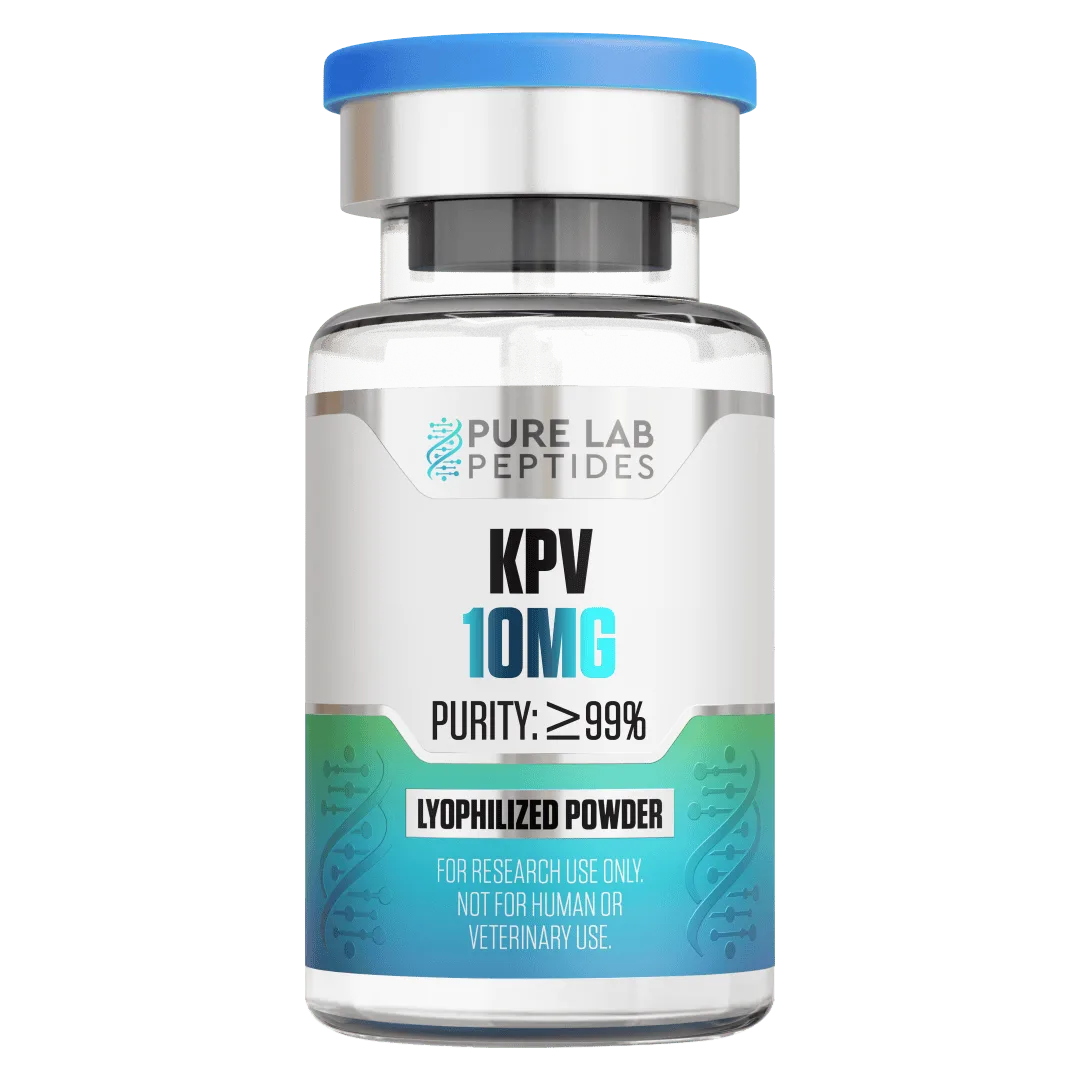
— KPV (10 mg) product page: quality documentation, batch COAs, and research‑grade peptide supplier